
2026 Haulage Forecast: Will Regulations & AI Change Your Fleet?
Sienna Vance
1/26/20263 min read
What are the key global haulage trends for 2026?
The primary haulage trends for 2026 are end-to-end digitalization, the enforcement of Euro VII emissions standards, and the adoption of autonomous transport with human oversight. Logistics providers will prioritize "elastic logistics" to adapt to volatile markets, shifting from rigid schedules to real-time, AI-driven route optimization. This strategic agility is essential for improving fleet management company profitability during periods of economic instability.
Are electric trucks ready for long-haul routes in 2026?
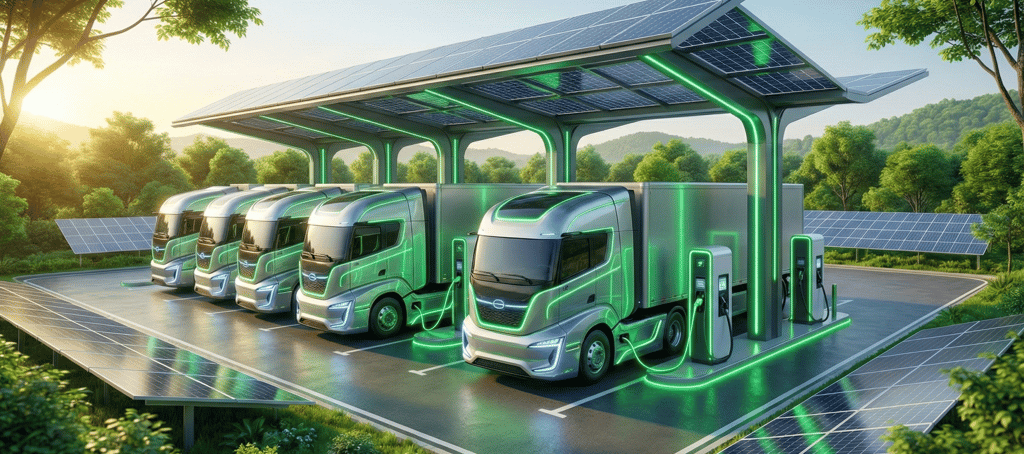
Electric trucks (EVs) are currently viable for short-haul and regional distribution but not yet for cross-border long-haul. The charging infrastructure for heavy-duty vehicles (HDVs) remains fragmented across Europe and the US, making hydrogen fuel cell trucks a preferred alternative for routes exceeding 500 miles. For long-haul carriers still relying on traditional fuels, implementing ways to boost fleet fuel efficiency remains the most immediate strategy to offset costs before full electrification.
How will AI impact global haulage operations in 2026?
AI will transition from predictive analytics to autonomous decision-making in 2026. Systems will automatically reroute freight based on real-time weather and geopolitical data without human intervention. Additionally, generative AI will handle documentation compliance, significantly reducing customs delays and administrative overhead.


Will the HGV driver shortage continue in 2026?
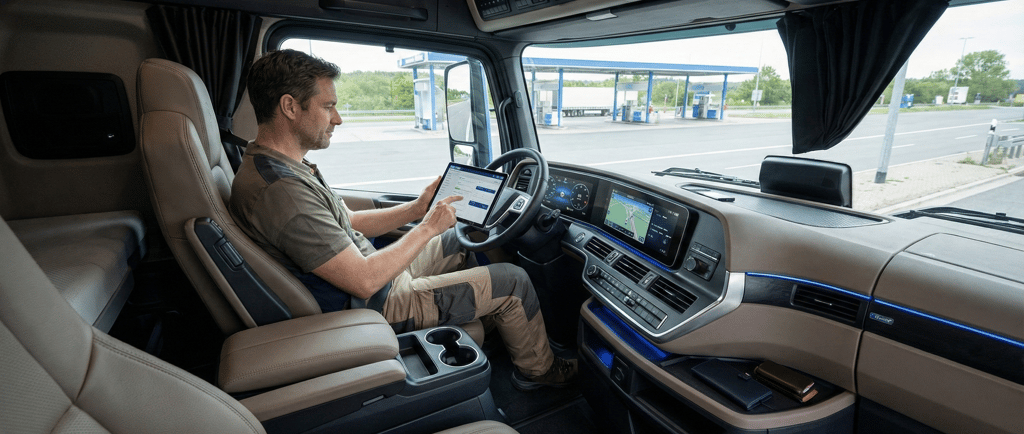
The shortage will persist but stabilize due to improved working conditions and wage increases. To combat the deficit, the industry is increasingly recruiting younger demographics and utilizing "semi-autonomous" convoys that allow one lead driver to guide multiple following trucks on highways.
What new haulage regulations will come into force in 2026?
The most significant regulation is the Euro VII emissions standard, which mandates stricter limits on nitrogen oxide and particulate matter for heavy-duty vehicles. Haulage companies must also comply with the Corporate Sustainability Reporting Directive (CSRD), requiring verified reporting of Scope 3 transport emissions. Consequently, fleet managers are now under pressure to validate their emission reduction results to meet these stricter enterprise standards.
How will Last-Mile delivery change in 2026?
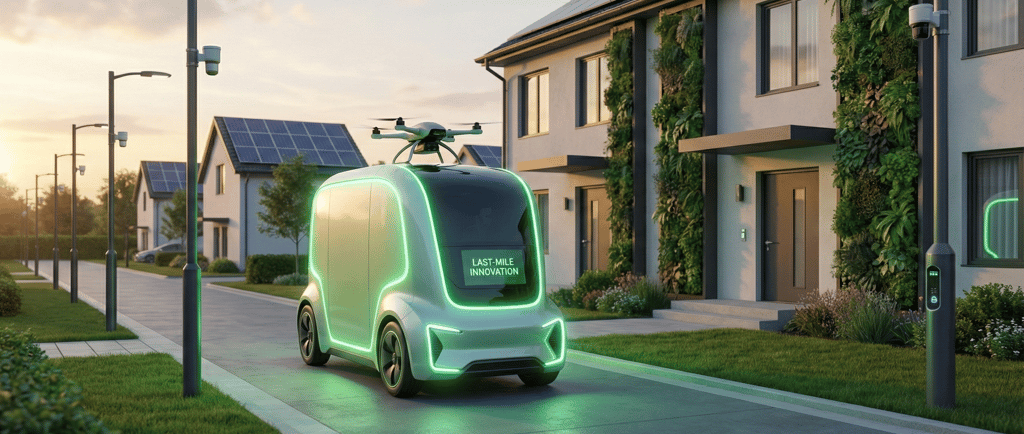
The line between long-haul and last-mile logistics is vanishing. In 2026, "Urban Micro-Fulfillment" centers will dominate, requiring heavy haulage firms to shuttle goods to city-center hubs rather than out-of-town warehouses. Final delivery will then shift to ultra-low emission fleets like e-cargo bikes and drones to bypass congestion charges.
How can haulage companies prepare for 2026?
How can haulage companies prevent cyberattcks?
Haulage firms must adopt "Zero Trust" architecture to secure their supply chains. With vehicles becoming connected IoT devices, hackers now target fleet management software to hold freight ransom. Regular penetration testing and segregating operational technology (OT) from IT networks are the most effective defenses.
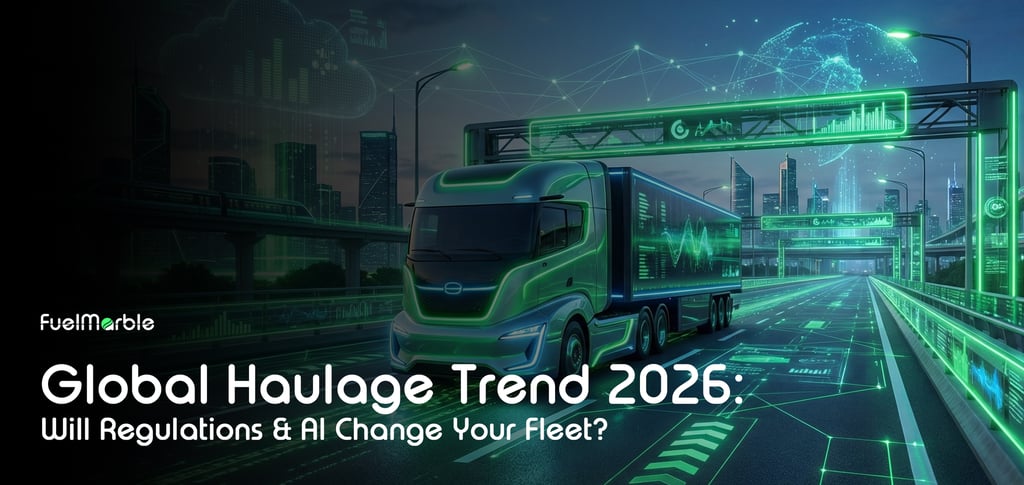
Survival in 2026 requires "Agility" over scale. Haulage companies must digitize immediately to capture savings. In fact, implementing 5 guaranteed ways to boost fleet fuel efficiency in 2026—such as AI monitoring and physical fuel enhancers—is crucial for survival alongside adopting "bridge technologies" for emissions if full EV isn't viable.
Designed to Go Further
Contact
FuelMarble © 2026. All rights reserved.


Delivery
Household
Marine
FuelMarble, 124 City Road, London, EC1V 2NX