
How can a fleet management company improve overall profitability?
DELIVERY FUEL SAVING SCENARIOFLEET MANAGEMENT
Avery
2/2/20262 min read


What is the biggest hidden cost in a "healthy" fleet P&L?
The largest leak is fuel inefficiency, which accounts for 20–40% of total expenses. While managers focus on fixed costs like insurance, the massive fuel line item contains "invisible" thermal waste that directly erodes profit.
How does fuel inefficiency act as a financial drain?
To understand where the money is going, we need to look beyond the bottom line. Below is a representative monthly P&L for a standard 10-vehicle haulage operator.
On the surface, this operator appears healthy. However, considering that haulage costs are rising across the industry due to external market pressures, maintaining this margin is becoming increasingly difficult. To survive, we must look closer at the Direct Costs.
How do fleet managers turn fuel inefficiency into profit?
The Data tells a story: Fuel (£148,000) is nearly three times the size of the Net Operating Profit (£54,000).
Most fleet directors focus on optimizing routing or squeezing agency costs (£22,000).
However, a small efficiency gain in the massive fuel line item dwarfs savings made anywhere else. If you want to improve a fleet management company, you must start with the cost that touches every vehicle, every mile, every single day.
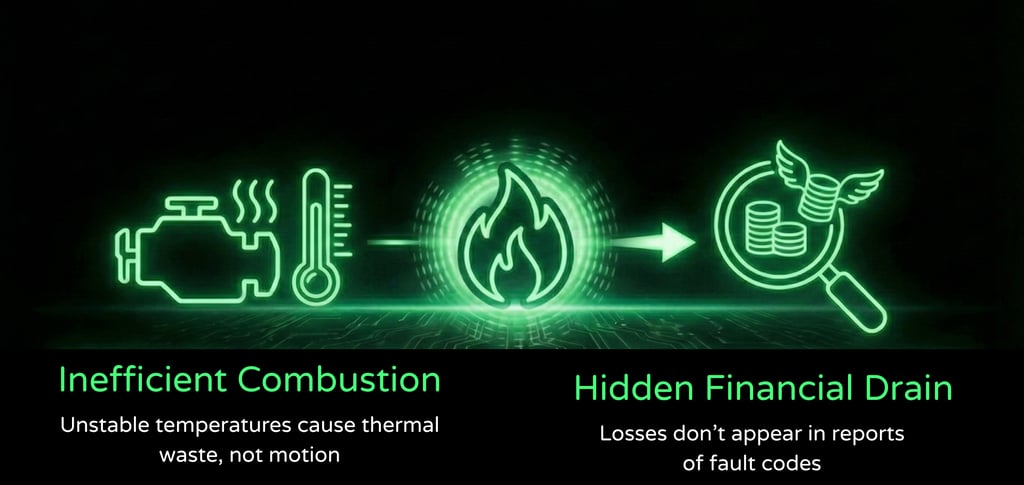
Fuel inefficiency acts as a financial drain by losing energy as wasted heat (thermal waste) rather than converting it into motion. This "invisible" loss doesn't trigger fault codes or telematics alerts, but it directly inflates the fuel line item on the P&L and increases maintenance frequency due to excessive engine heat.
What is the ROI of fuel efficiency technology for fleets?
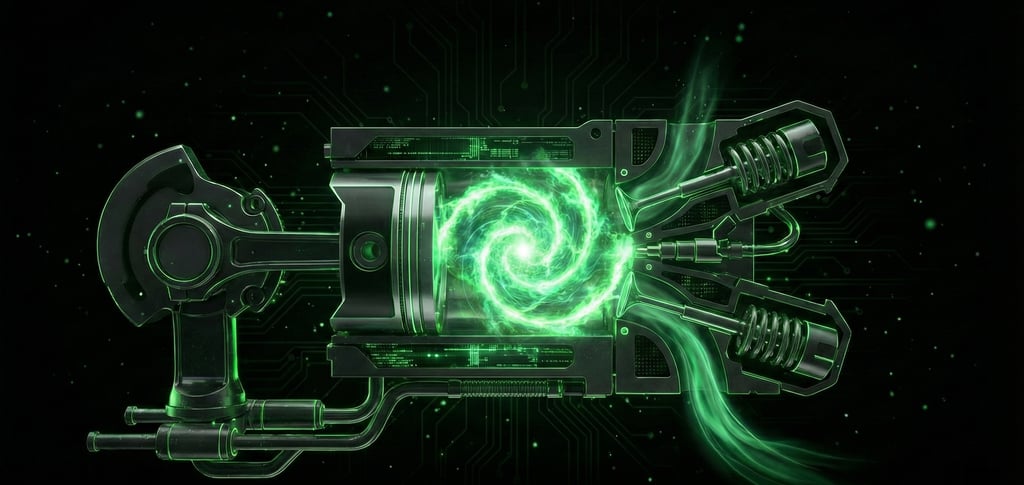
By prioritizing the science of fuel enhancement to stabilize combustion temperatures, fleets reduce thermal loss. This ensures more energy from every liter of fuel is converted into motion rather than wasted heat, lowering the fuel bill and the maintenance burden.
Most fuel enhancement deployments (like FuelMarble) break even in less than 5 operating days. The long-term ROI manifests as reduced soot build-up, lower DPF stress, and fewer maintenance-related interruptions.
What is the smartest way to improve fleet management in 2026?
The smartest way to improve fleet management in 2026 is focusing on "Efficiency over Scale." Rather than simply adding assets, operators should implement guaranteed ways to boost fleet fuel efficiency to seal margin leaks by reclaiming the 10-20% of fuel spend lost to thermal waste. Stabilizing combustion chemistry provides a faster, lower-risk ROI than traditional overhead cutting or vehicle acquisition.
Fleet management profitability is improved by identifying "operational leakage"—specifically fuel thermal waste. By converting fuel inefficiency into usable energy through stabilized combustion, companies can reduce their largest variable cost by 10-20%, instantly increasing net margins without adding new contracts or vehicles.
Stop the invisible profit leak today
Designed to Go Further
Contact
FuelMarble © 2026. All rights reserved.


Delivery
Household
Marine
FuelMarble, 124 City Road, London, EC1V 2NX