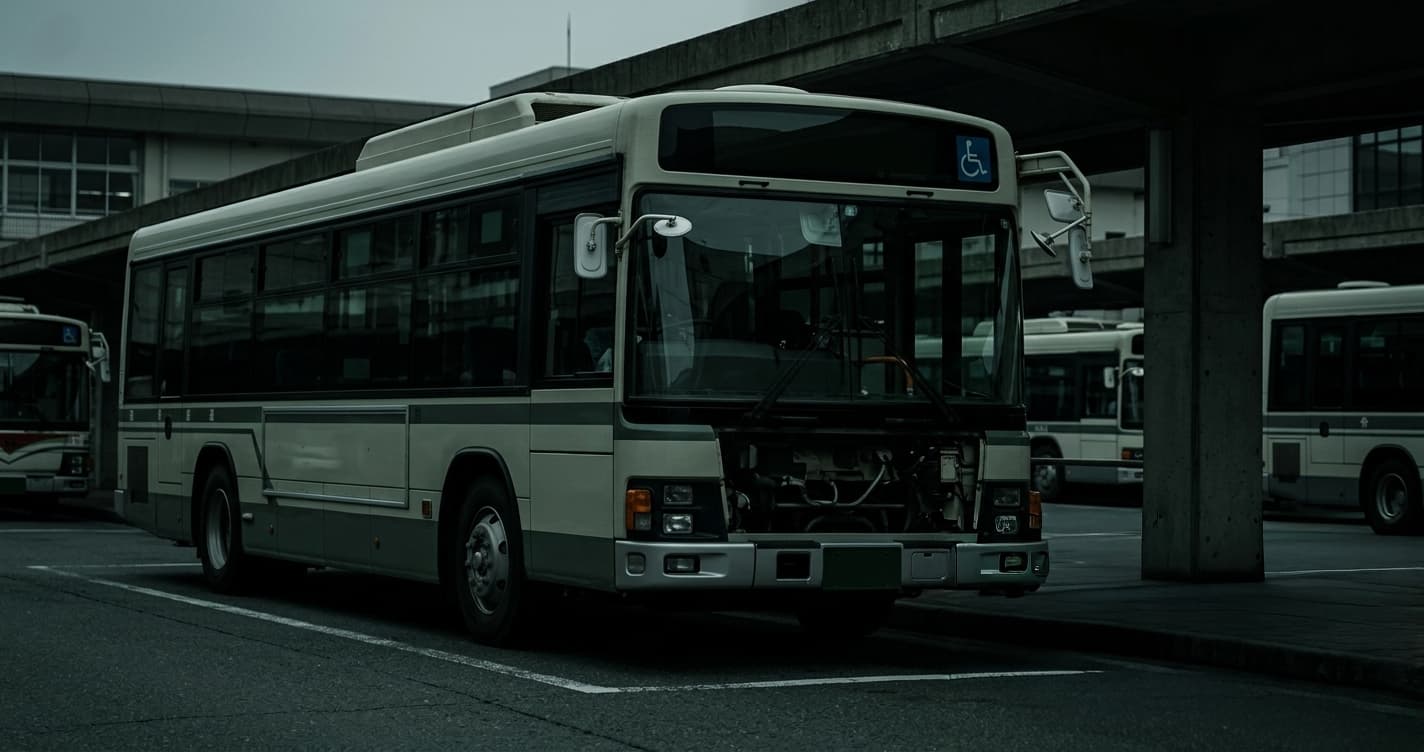
Reduce Bus Fleet Fuel Costs by 15–22%
FuelMarble installs in your bus coolant reservoir in under 60 seconds, no tools, no engineer, no downtime. Verified on city route buses and intercity coaches by Yamanashi Kotsu, Japan, September–December 2024.
How much fuel does FuelMarble save on a bus?
In a real-world operator trial by Yamanashi Kotsu (Japan, Sept–Dec 2024), FuelMarble L delivered a 22.14% fuel efficiency improvement on a city route bus and 15.90% on a long-distance highway coach. Both results were measured using daily odometer and fuel fill logs, not laboratory estimates.
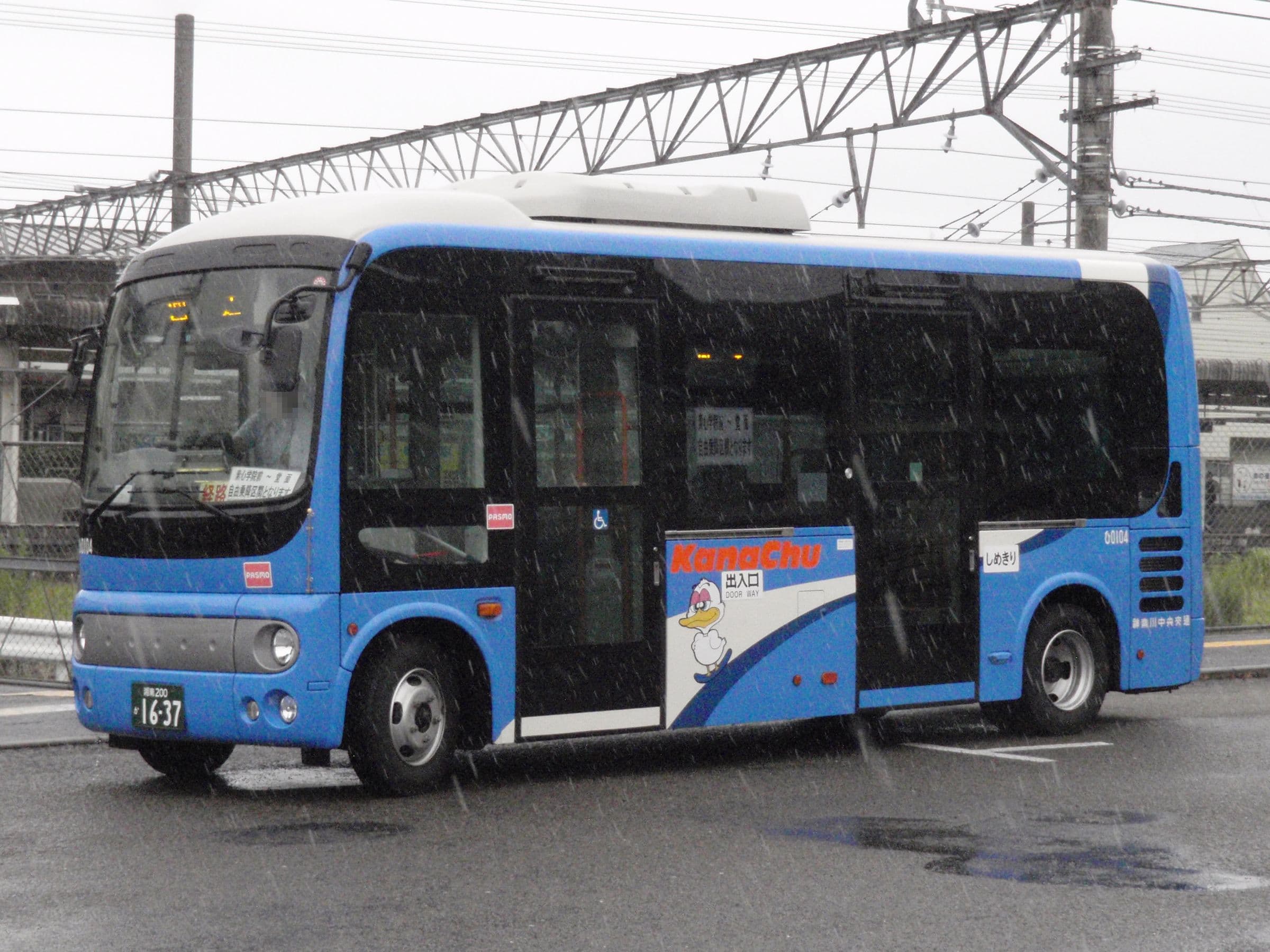
Hino SDG-HX9JLBE
Kofu City Routes
2,211 km pre · 2,118 km post · 10 days each
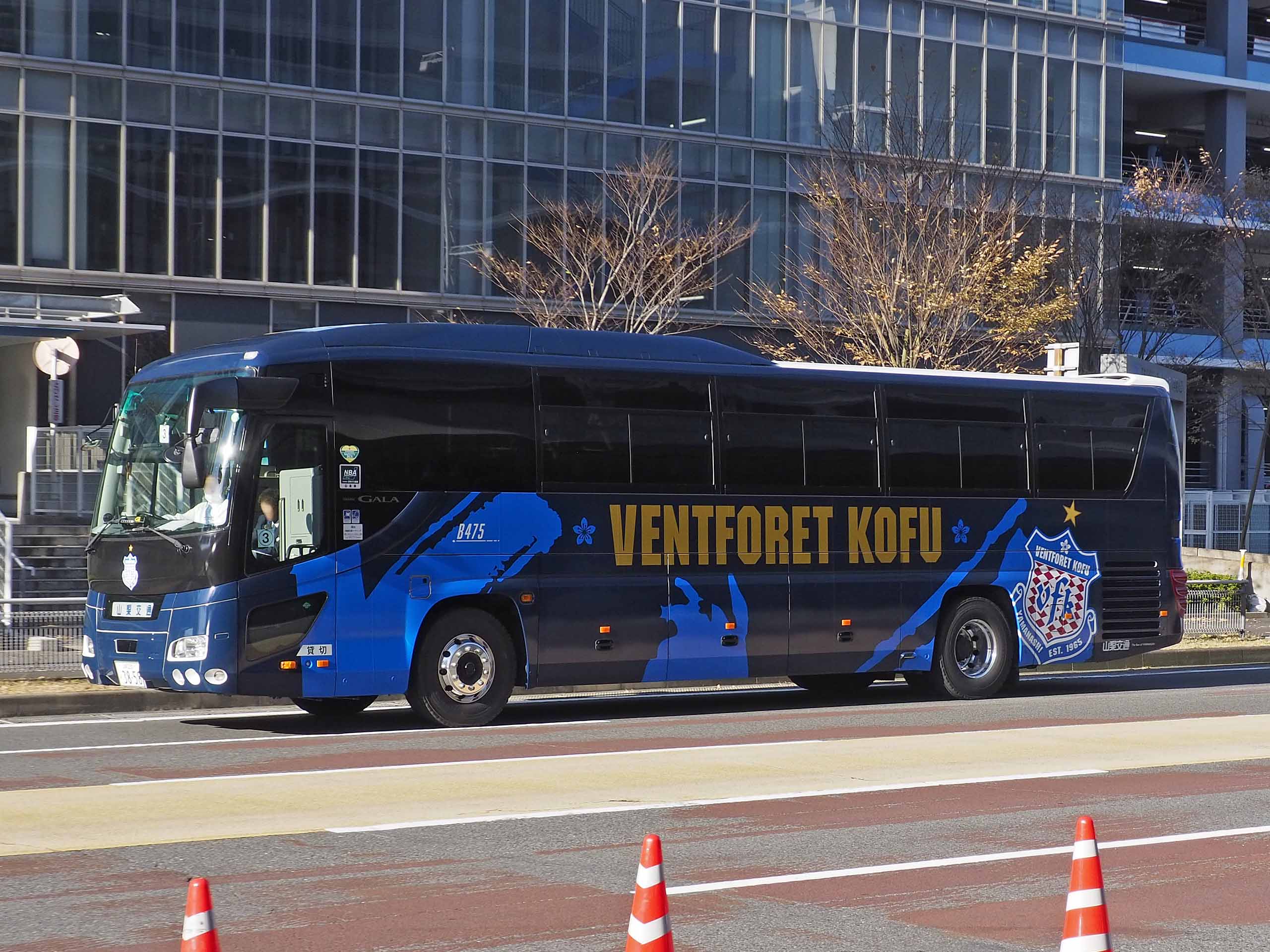
Isuzu QTG-RU1ASCJ
Kofu → Shinjuku
3,392 km pre · 4,249 km post · intercity commercial service
Why the route bus shows higher gains: Frequent stops and acceleration cycles create greater thermal variance in the engine coolant loop. FuelMarble stabilises this variance most effectively under stop-start conditions, so city route buses typically see higher gains than constant-speed highway coaches. Results vary by duty cycle.
FuelMarble Performs Better in Stop-and-Go Conditions
- •Highway coach (long miles, minimal stops): 15.90% improvement
- •City route bus (constant stopping, loading, idling): 22.14% improvement
The stop-start route bus outperformed the highway coach by nearly 7%. More complete combustion matters most where combustion is least efficient, namely during low-load operations, frequent stops, and idling. A school bus shares this exact profile.
Because a standard MPG calculation relies on miles driven, it misses the fuel burned while the bus is idling at 0 mph. The metric that captures the true ROI is total gallons purchased, not odometer miles. Therefore, the lower mileage and high idle times actually favour our technology according to the case study.
What does a 22.14% fuel saving mean in £ for a UK bus operator?
The Yamanashi Kotsu trial data is reported in km/L, the standard Japanese fleet metric. Here is what those percentages translate to in pounds sterling for a typical UK single-deck diesel bus, at today's local diesel price.
Worked example, single-deck diesel bus
At FuelMarble's verified 15.90–22.14% range:
On a one-time investment of £519 per bus — payback in under 4 weeks.
For a depot of 10 single-deck buses, this translates to approximately £67,500–£94,000 in annual fuel savings on a total investment of £5,190, a first-year return ratio of roughly 13:1 to 18:1. No subscription cost, no consumable to replenish. The saving recurs every year for the full operational life of each vehicle, which for a typical UK fleet bus is 10–15 years.
Who conducted the trial and how was it measured?
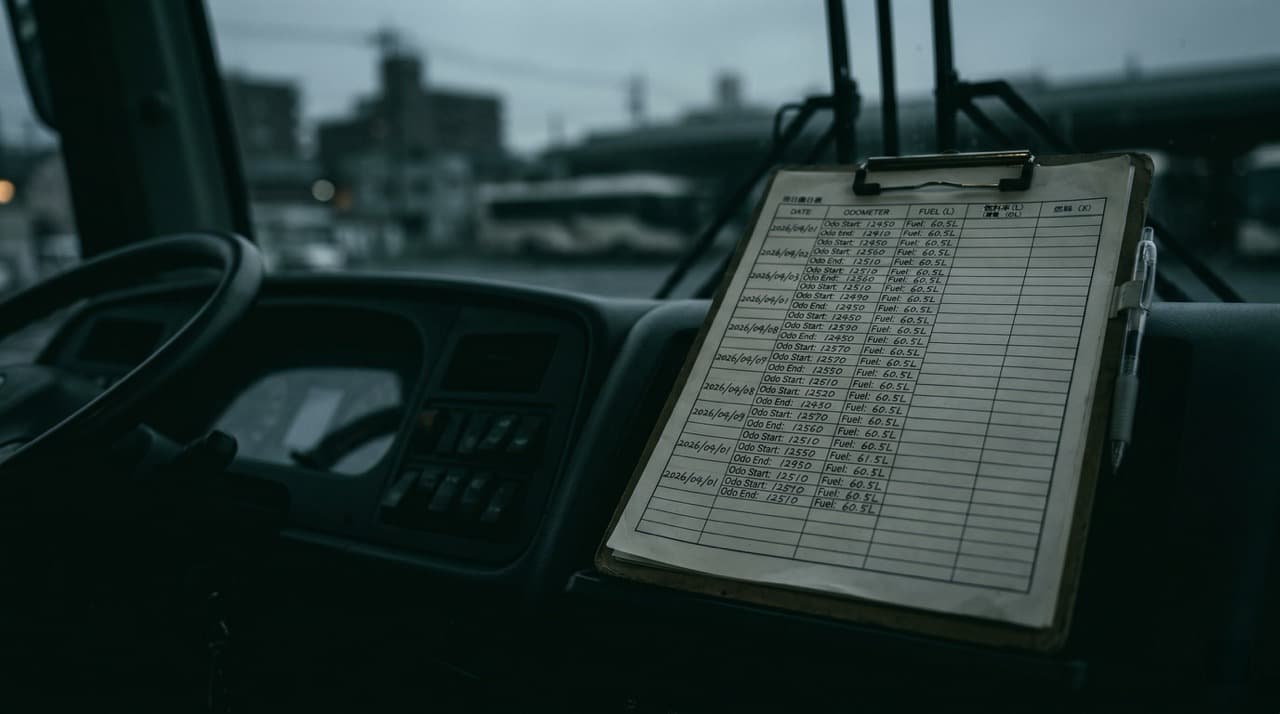
The trial was conducted by Yamanashi Kotsu (山梨交通), a licensed public bus operator based in Kofu, Yamanashi Prefecture, Japan. Fuel consumption was recorded daily from odometer readings and actual fuel fill volumes, the standard method used in fleet management. No laboratory conditions, no simulations. View the full verified results across all 11 vehicles and vessels.
Yamanashi Kotsu (山梨交通)
Public bus operator · Kofu, Yamanashi Prefecture, Japan
Data sourced directly from Yamanashi Kotsu operational fleet logs. No engine modifications or driver behaviour changes were made during the trial period.
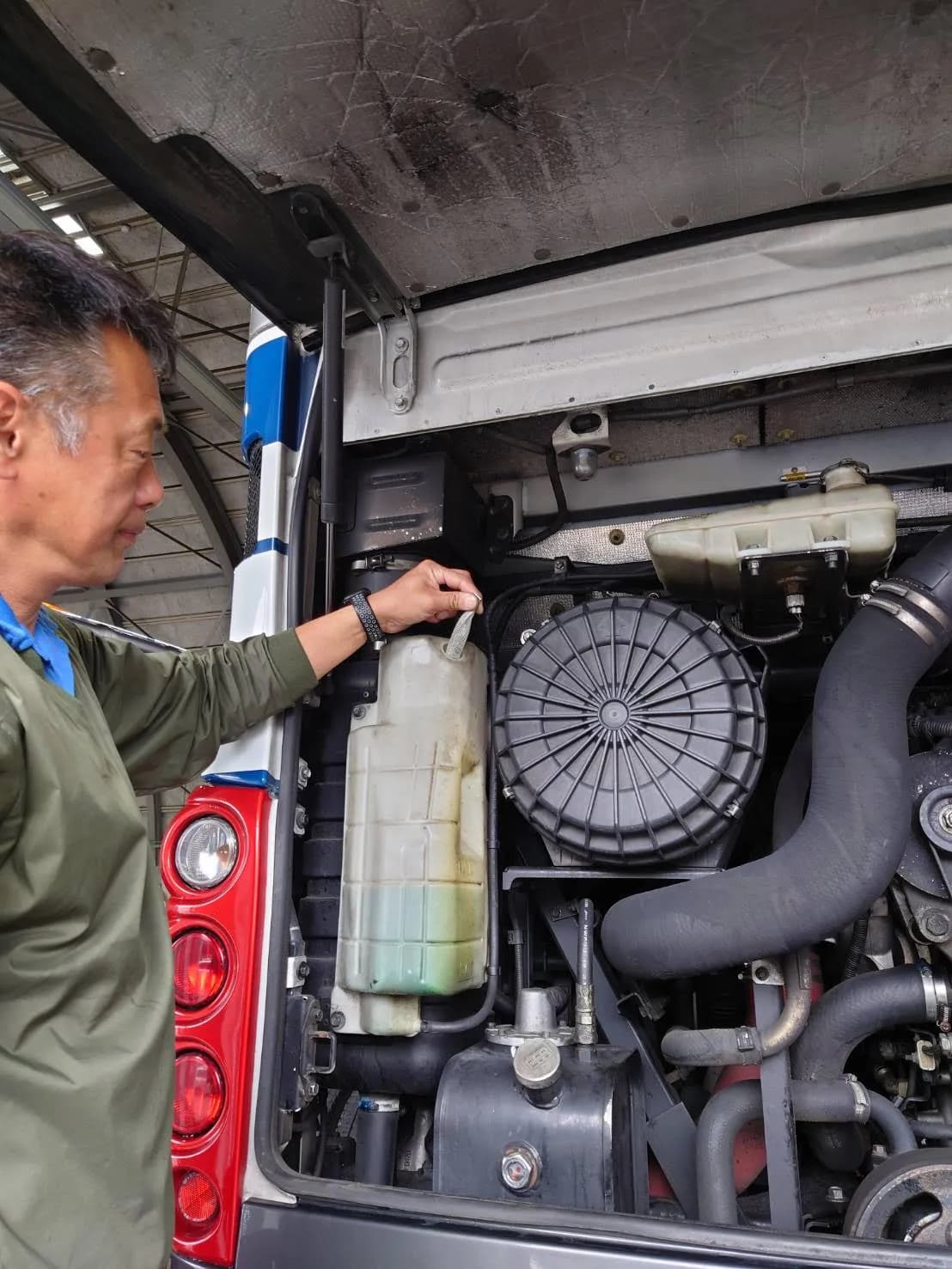
This is the actual coolant expansion tank from one of the Yamanashi Kotsu trial buses, not a stock photo or illustration.
Which UK bus operators could benefit most?
FuelMarble is compatible with any diesel bus fleet. The highest efficiency gains occur where duty cycles create the greatest thermal variance in the coolant loop, the defining characteristic of city route operations.
Municipal & local bus operators
Stop-start city routes produce the highest thermal variance, the condition where FuelMarble delivers its greatest verified gains. Operators running high-frequency urban services can expect results closest to the +22.14% city route figure from the Yamanashi Kotsu trial.
School transport contractors
Short repeated daily routes under cost pressure from LEA contracts. FuelMarble's sub-60-second installation and zero ongoing cost makes it straightforward to equip an entire school bus fleet without workshop time or service disruption.
Coach hire & private charter
Higher base fuel consumption per mile than city buses. The highway coach trial result of 15.90% confirms meaningful gains even on constant-speed long-distance routes, directly applicable to day trip, touring, and private hire operations.
Airport transfer & shuttle fleets
Regular routes, predictable duty cycles, and high annual mileage per vehicle. Airport shuttle fleets can be fully equipped during the brief window between early-morning crew briefings before first departures.
Which FuelMarble unit does a bus need?
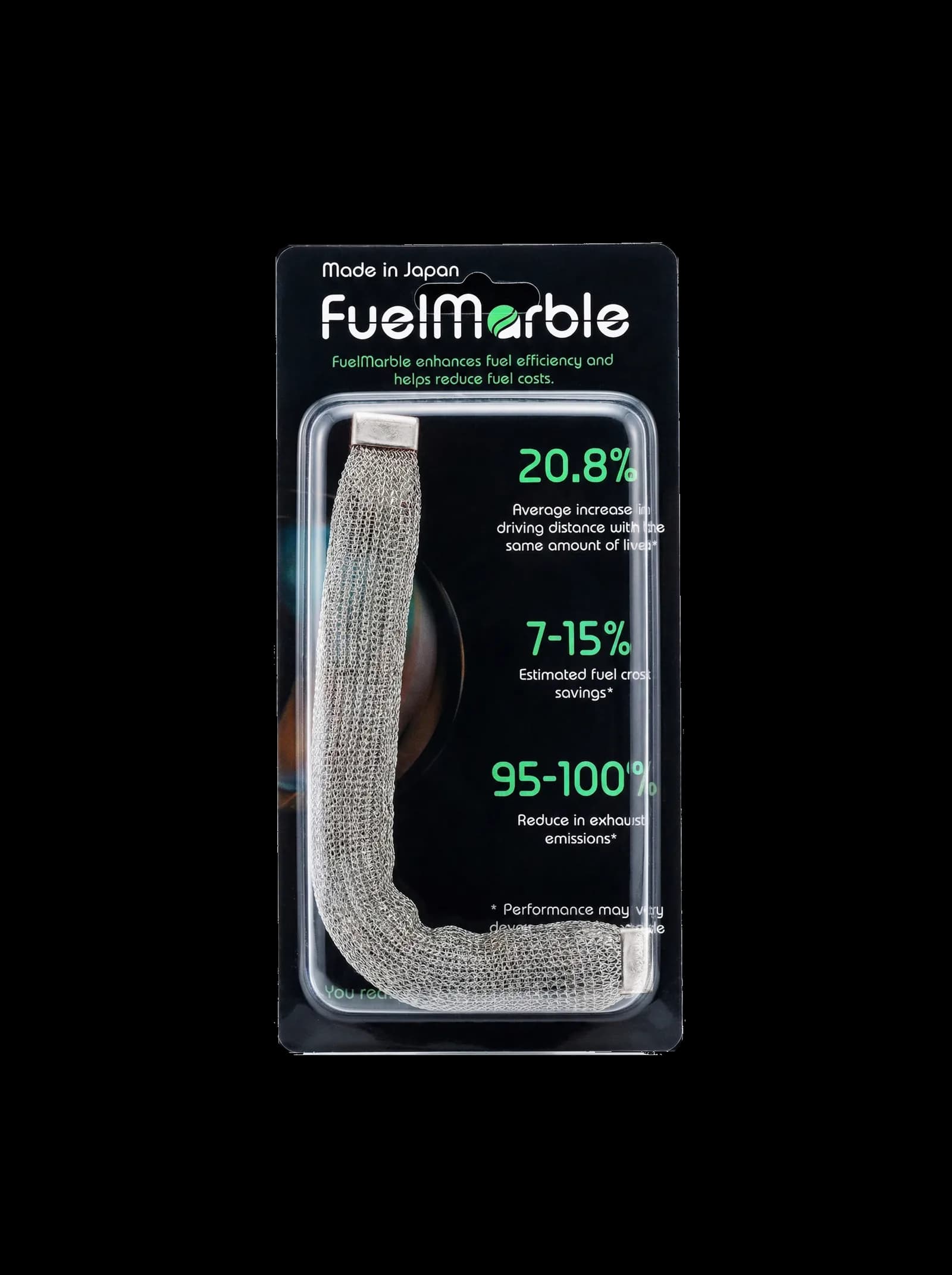
All buses and coaches over 2 tons GVWR require FuelMarble L. Heavier vehicles (typically those over 4 tons GVWR) benefit from 2 units to fully saturate the larger coolant volume. Both Yamanashi Kotsu trial vehicles used FuelMarble L.
For all buses & coaches
For diesel ICE vehicles over 2 tons GVWR. Covers minibuses, single-deck, double-deck, articulated buses, and intercity coaches.
The mineral technology is protected by three Japanese patents (JP4402484, JP2000-191338, JP2005-256802).
Used in both Yamanashi Kotsu trial vehicles
Order FuelMarble L: £519Not applicable to buses
For vehicles under 2 tons GVWR, personal cars and light vans only.
Not applicable to buses or coaches
How does FuelMarble install on a bus?
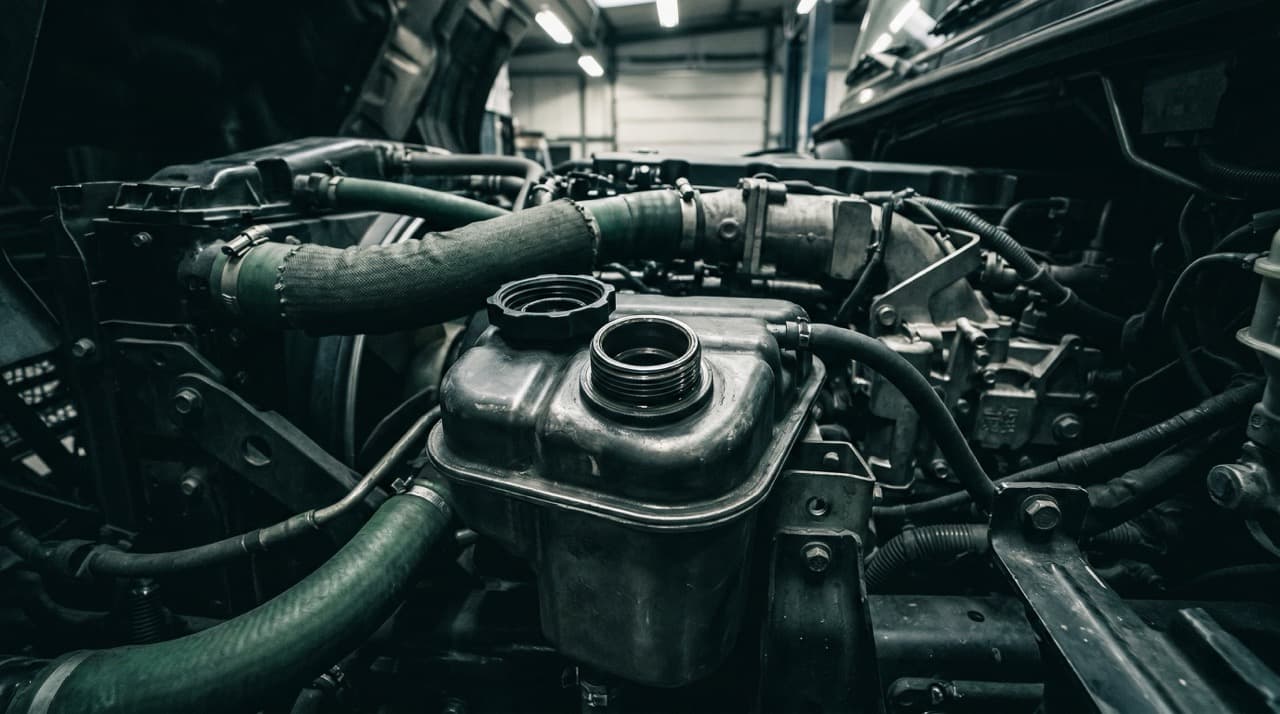
FuelMarble drops directly into the coolant reservoir. No tools, no mechanic, no engine modifications. Installation takes under 60 seconds per vehicle. An entire depot can be fitted in a single morning with no downtime.
Open the coolant reservoir cap
Standard location on all diesel buses. No specialist knowledge or tools required.
Drop FuelMarble L inside
Place the unit into the reservoir. No wiring, no chemical mixing, no attachment.
Replace cap and operate normally
No calibration, no waiting. FuelMarble begins stabilising combustion temperatures immediately on the next engine start. For depot-scale rollouts, a fleet of 20–30 buses can be fully equipped during a single early-morning start, before the first vehicles depart for their routes. One operative, no tools, no vehicles off-road.

Yamanashi Kotsu city route operations: Kofu, Yamanashi Prefecture, Japan
Trial period: September–December 2024 · 22.14% fuel efficiency improvement recorded
More FuelMarble Applications
Verified results on heavy goods vehicles and commercial fleets. Typical 7–15% fuel reduction.
7.33% year-on-year reduction verified on a 55,810 DWT bulk carrier in active commercial service.
Save approximately £8,000 per year on a 10-vehicle delivery fleet with zero installation downtime.
Frequently Asked Questions
Trial data: Yamanashi Kotsu (山梨交通), Kofu, Yamanashi Prefecture, Japan. Trial period: September–December 2024. Vehicles: C932 (Hino SDG-HX9JLBE, city routes) and C933 (Isuzu QTG-RU1ASCJ, Kofu–Shinjuku intercity). Measurement: daily odometer and fuel fill volume records. No engine modifications during trial period.