
Why Is My Car Using More Fuel Than Usual? 7 Causes and How to Fix Them
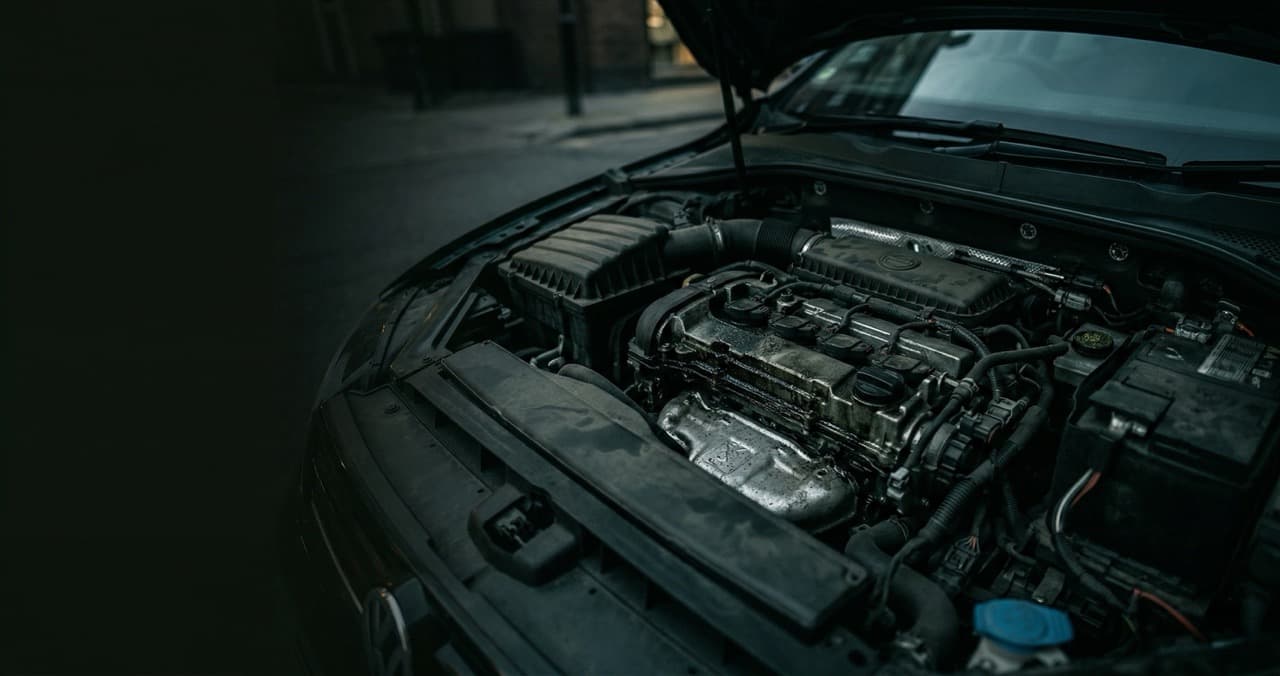
A car that suddenly needs more fuel is not just an inconvenience. It is a mechanical signal. Most drivers notice the drop at the pump but never identify the source. As part of the guide to how car maintenance affects fuel economy, this article maps the seven most common causes of rising fuel consumption and tells you exactly what to do about each one.
Fuel consumption increases for specific, measurable reasons. Seven causes account for the majority of unexplained mpg drops in petrol and diesel passenger cars: a clogged air filter, low tyre pressure, degraded engine oil, worn spark plugs, a failing fuel injector, a blocked exhaust system, or seasonal cold-weather operating conditions. Each has a different cost to fix and a different impact on fuel burn, and most are inexpensive to address.
What Actually Causes a Car to Use More Fuel?
Increased fuel consumption is almost always a combustion efficiency problem. The engine requires a precise ratio of air and fuel to complete each burn cycle. When that ratio is disrupted, by restricted airflow, reduced compression, elevated friction, or incomplete ignition, the engine compensates by burning more fuel to produce the same power output.
- Restricted airflow (dirty air filter, blocked intake) reduces the oxygen available for combustion, forcing the engine to inject more fuel to maintain power
- Elevated friction (wrong oil viscosity, worn engine bearings, low oil level) increases the mechanical load the engine must overcome, raising fuel demand
- Incomplete ignition (worn spark plugs, weak ignition coil) leaves unburnt fuel exiting through the exhaust instead of contributing to power
- Under-inflated tyres increase rolling resistance, requiring more energy (and therefore more fuel) to maintain speed
- Cold operating temperatures thicken fluids, slow combustion warm-up, and trigger fuel-rich cold-start enrichment that can persist for 10–15 minutes per journey
This applies to any petrol or diesel passenger car or van with over 15,000 miles since its last service, not if the vehicle is recently serviced and showing no warning lights, in which case a diagnostic scan (not a parts swap) is the correct first step.
A 2015 Ford Focus diesel showing a 15% mpg drop after 18 months without a service will typically recover 10–12% through an air filter and oil change alone, before any other work is done.
Does a Dirty Air Filter Actually Reduce Fuel Economy?
On a modern fuel-injected car, a clogged air filter does not significantly reduce mpg, and most articles on this topic get it wrong. The US Department of Energy confirmed that modern engine management systems automatically adjust fuel injection to compensate for restricted airflow, preventing a direct mpg drop. What a dirty filter does instead on a modern car is reduce acceleration performance by 6–11%. Drivers compensate unconsciously by pressing harder to maintain pace, which burns more fuel behaviourally rather than mechanically.
- The genuine mpg penalty applies to older carbureted vehicles (approximately pre-1990): a real 2–6% reduction, up to 14% in severe cases, because carburettors cannot self-correct the air-fuel ratio the way modern ECUs can
- On modern Euro 5/6 fuel-injected engines, the real cost is sluggish throttle response, elevated engine strain, and accelerated long-term combustion wear, none of which show up at the pump immediately
- UK recommended replacement interval: every 15,000–20,000 miles or 12 months. Whichever comes first
- Cost: £8–£25 for most passenger cars; fitting takes under 10 minutes with no specialist tools
- A severely blocked filter can still trigger the engine management light on modern Euro 5/6 vehicles via a MAF sensor fault
This applies to any petrol or diesel vehicle, but expected mpg recovery from a filter change is modest on modern fuel-injected cars. The primary benefit is restored acceleration response and prevention of downstream combustion system wear, not if the filter was changed within the last 10,000 miles.
A 2018 Vauxhall Astra 1.4 petrol with an original never-changed air filter will show sluggish throttle and higher engine load at steady speeds, replace it for smoother power delivery and to prevent long-term wear, not primarily for a number improvement at the pump.
How Much Does Low Tyre Pressure Cost You at the Pump?
The impact is real and consistent. UK government fuel economy data confirms that tyres under-inflated by 10 PSI increase fuel consumption by approximately 2.5%. Most UK drivers run at least one tyre 6–8 PSI below recommended pressure without knowing it, tyre pressure falls naturally at a rate of 1–2 PSI per month even without a puncture.
- UK recommended check frequency: every 2–4 weeks and before every long motorway journey
- Correct tyre pressure is printed on a sticker inside the driver's door jamb or fuel filler flap, not on the tyre sidewall, which shows the maximum safe pressure
- Under-inflation also accelerates tyre wear unevenly and increases stopping distances; reduced mpg is the most financially visible symptom
- Overinflation reduces rolling resistance slightly but reduces grip and increases blowout risk, the manufacturer's specified pressure, not the maximum, is the target
This applies to any vehicle that hasn't had a tyre pressure check in the past month, not if the car runs a tyre pressure monitoring system (TPMS) that is actively showing no warnings.
A 2020 Volkswagen Golf with all four tyres at 25 PSI instead of the recommended 35 PSI loses approximately 3.5% fuel efficiency, around £120/year for a driver covering 10,000 miles at current UK diesel pump prices.
Tyre pressure and air filter together account for 10–12% of the fuel economy most passenger cars lose between services. Both are cheap and fast to fix.
The harder problem is what happens inside the engine itself. Combustion efficiency degrades at a molecular level as oil ages, spark plugs erode, and injectors accumulate carbon deposits, none of which produce obvious warning signs until the mpg drop becomes unmistakable. By that point, the engine has been running in a degraded state for thousands of miles, each incomplete combustion cycle wasting a fraction of every litre of fuel.
That degradation begins at the thermal boundary layer inside the combustion chamber, the interface between the hot combustion gases and the cooler cylinder wall where heat transfer causes fuel to condense rather than burn. It is precisely what FuelMarble's automotive fuel efficiency system targets directly, improving combustion completeness on every cycle rather than compensating for downstream symptoms.
Does Old Engine Oil Affect Fuel Economy?
Yes, measurably. Engine oil degrades over time and mileage, losing its viscosity specification. Oil that has thickened beyond its rated grade increases internal friction across every moving component, the crankshaft, camshafts, valve train, and pistons all work against greater resistance, increasing fuel demand without producing any additional power output.
- SAE 0W-20 and 5W-30 low-viscosity synthetic oils produce 1–3% better fuel economy versus heavier grades in the same engine
- Oil overdue for a change by 5,000+ miles can increase fuel consumption by 2–4% in real-world driving
- Recommended oil change intervals: 10,000–12,000 miles or 12 months for full synthetic; 5,000–7,500 miles for semi-synthetic
- Using the wrong viscosity grade (e.g. 10W-40 in an engine specifying 0W-20) creates a permanent friction penalty every time the engine is started from cold
This applies when the vehicle is within 2,000 miles of its next service interval, or when the oil appears dark black and has lost viscosity on a dipstick check, not if the oil was changed within the last 3 months and the correct grade was used.
A 2017 Toyota Yaris 1.0 petrol that has gone 14,000 miles on a 10,000-mile oil change interval typically recovers 2–3% fuel economy after an oil and filter change using the manufacturer-specified grade, with improvement measurable within the first two tanks.
Can Worn Spark Plugs Reduce MPG?
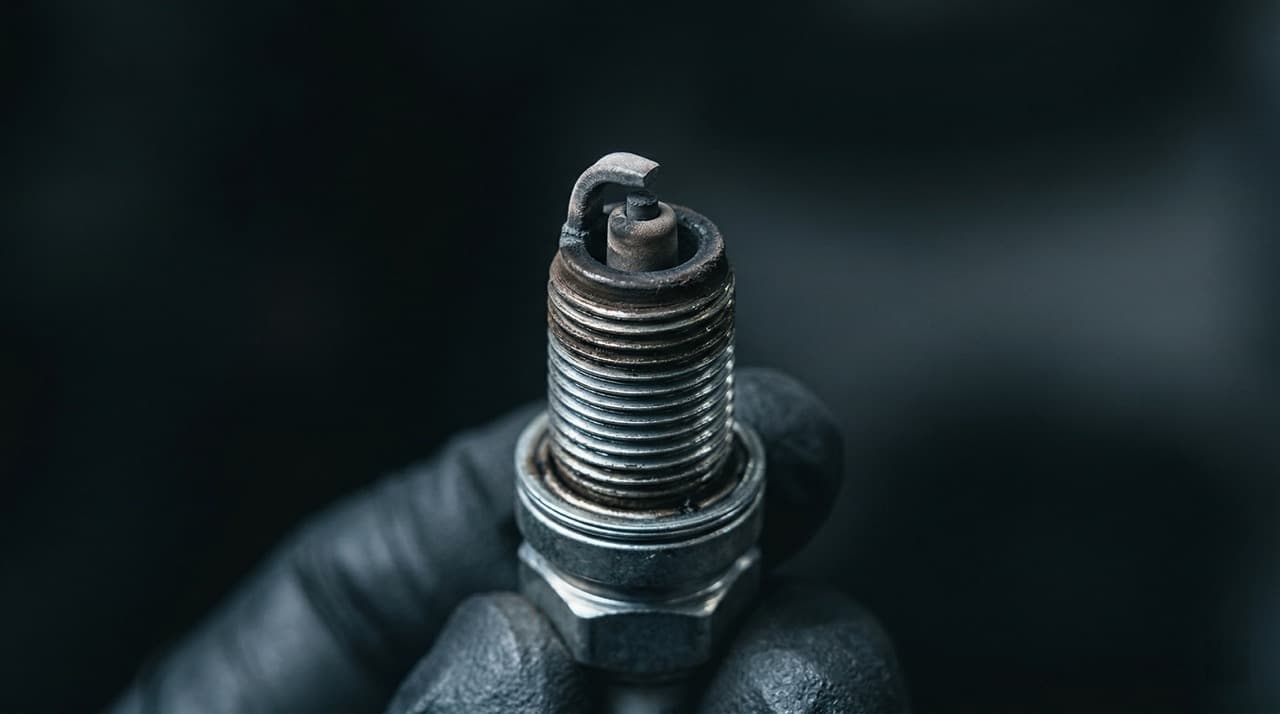
Yes. Worn spark plugs are one of the most consistently underestimated causes of reduced fuel economy in petrol vehicles. A plug that fails to fire completely (or fires with reduced intensity) leaves unburnt fuel exiting through the exhaust. The US Department of Energy estimates misfiring spark plugs can reduce fuel economy by up to 30% in severe cases; a more typical real-world UK driver impact is 5–10% over a 40,000–60,000-mile replacement interval.
- Standard copper spark plugs should be replaced every 30,000 miles; iridium and platinum plugs last 60,000–100,000 miles but still degrade gradually
- Symptoms alongside reduced mpg: rough idle at traffic lights, engine hesitation under acceleration, occasional misfire under load, difficulty starting in cold weather
- Cost: £20–£60 for a set of spark plugs on a four-cylinder engine; most are accessible without specialist workshop equipment
- Diesel engines use glow plugs rather than spark plugs, degraded glow plugs produce similar cold-start fuel economy losses and extended warm-up periods
This applies to petrol vehicles over 40,000 miles that have not had a spark plug change in recent service history, not if the vehicle is diesel, or if plugs were replaced as part of a major service in the past two years.
A 2016 Honda Jazz 1.3 petrol at 65,000 miles showing erratic idle and a 12% mpg drop recovered 9% fuel economy after replacing all four original factory spark plugs with the manufacturer-specified iridium grade, a £32 parts cost against an annual fuel saving of approximately £180 at current UK petrol prices.
Why Does Fuel Economy Drop in Winter?
Cold-weather fuel economy reductions are normal but quantifiable. UK drivers typically see 15–25% lower mpg between summer and winter peaks. The causes are multiple and compound each other across every cold-weather journey.
- Cold engine oil is thicker and creates elevated internal friction during the warm-up phase. This effect is most pronounced in the first 5–10 minutes of driving
- Petrol engines run in fuel-rich 'cold enrichment' mode on start-up to maintain idle stability; this mode burns additional fuel until the coolant reaches approximately 70°C
- Denser cold air alters the air-fuel ratio, though modern fuel injection systems correct for this automatically via the mass airflow sensor
- Tyre pressure drops approximately 1 PSI for every 10°F (5.5°C) fall in ambient temperature, a cold overnight snap can deflate tyres by 3–5 PSI without any visible change
- Short journeys under 5 miles in winter are disproportionately expensive: the engine never reaches optimal combustion temperature, meaning the entire journey runs on cold-enrichment settings with no efficiency recovery
This applies most acutely to drivers making frequent short journeys in winter, not if the vehicle has a pre-conditioning or engine warm-up system that brings the coolant to temperature before departure.
A diesel Nissan Qashqai covering a 12-mile daily commute will typically burn 18–22% more fuel in January than in July, with tyre pressure loss and cold-start enrichment each contributing roughly equally to the seasonal deficit.
How Much MPG Can Regular Maintenance Actually Recover?
A properly maintained car on the correct service schedule will recover 10–20% of fuel economy versus the same vehicle significantly overdue for service. This recovery is cumulative, each maintenance item addressed adds a measurable increment, and the gains stack.
- Air filter replacement: 6–10% recovery on petrol engines, 2–4% on diesel
- Tyre pressure correction to manufacturer specification: 2–4% recovery
- Oil and filter change with correct-grade synthetic oil: 2–4% recovery
- Spark plug replacement on a high-mileage petrol: 5–10% recovery
- Fuel system clean or injector service: 1–3% recovery on direct-injection engines over 60,000 miles
For drivers who want to go beyond scheduled maintenance, our UK fuel-saving tips for petrol and diesel cars covers the driving technique, route, and loading changes that can add a further 5–8% on top of mechanical gains, without any additional parts cost.
This applies to any vehicle with documented service arrears of 5,000+ miles, not if the car is under 30,000 miles and on a manufacturer-approved service plan with no missed intervals.
A 2014 BMW 320d at 95,000 miles, last serviced at 80,000 miles, with an overdue air filter, an oil change 5,000 miles late, and tyres at 28 PSI against the recommended 36 PSI, achieved a 17% mpg improvement after a full catch-up service: from 38 mpg to 44.5 mpg measured over a 300-mile mixed-route test.
The Bottom Line
Increased fuel consumption is fixable. The seven causes here, restricted airflow, low tyre pressure, degraded engine oil, worn spark plugs, cold-weather operation, incomplete combustion, and injector deposit build-up, account for the majority of unexplained mpg drops in UK petrol and diesel cars.
Check tyre pressure and book an air filter change first. Both cost under £30 combined and deliver the fastest measurable return. For vehicles significantly overdue for service, the investment pays back within 6–8 months at current UK pump prices.
Elias translates complex engine science into clear, accurate content. Specialising in diesel combustion, DPF systems, and Japanese engineering methodology, he produces FuelMarble's technical documentation, performance analyses, and in-depth product guides.
Ready to Improve Your Fuel Efficiency?
FuelMarble delivers up to 15% fuel efficiency improvement. Simple drop-in install.